A Universe of QuestionsLEV NEYMOTIN · ESSAY & PODCAST LIBRARY
Browse categories & essays

EXPLORE A SUBJECT

Technologies

Applied and theoretical technologies

21essays in this subject

Enter a number (123 or #123), a topic, or “quotes” for a phrase. Numbers identify essays; use the year filter for dates.

Topics & reading length

Essays in this subject

21 of 21 essays · 1–12 shown

By Date uses the original PDF’s last-modified date. Publication dates are listed separately.

Recreating Nature’s Flight Engine: Living Muscles, Biological Energy, and Neural Intelligence

A research project to build an insect-scale drone powered by living muscle and biological metabolism. Nutrients and atmospheric oxygen would sustain flapping flight without electrical conversion of propulsion energy. The project combines insect flight mechanics, biological neural control, and AI-assisted modeling and design, while exploring whether an active body or skin could contribute to propulsion. It reviews current research, quantifies energy and mass requirements, and outlines experimental milestones toward controlled flight, with potential applications in environmental sensing, inspection, and pollination.

Essay details
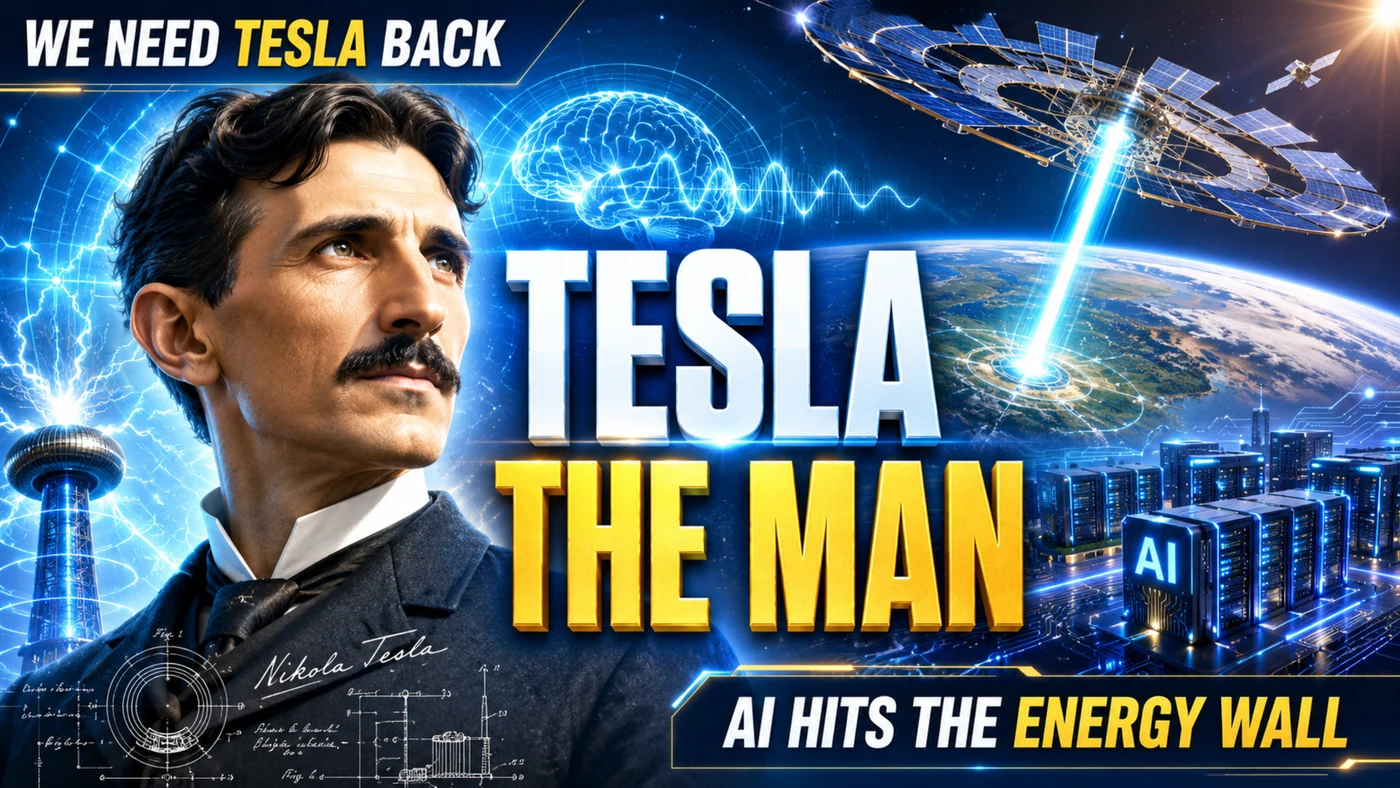

AI, the Energy Wall, and a Peek Beyond It

We do not need Tesla’s laboratory back. We need the scale of his questions. Look at the frenzy around AI data centers. What started as a fascinating technical race—bigger models, faster chips, better answers—has spilled out of the computer and entered the physical world. The cloud has come down to Earth, and it is much heavier than its name suggested. We can hide a building. We cannot hide thermodynamics. AI is developing on the time scale of software, while the electrical system grows on the time scale of power stations, permits, concrete, copper, and public patience.

Essay details

The slowest car wins. But it must never stop.

I was admiring the SpaceX launch of the Nancy Grace Roman Space Telescope the other day. What a gorgeous liftoff! The enormous rocket rose from the launchpad gently and smoothly, like a hot knife through butter. There was fire, smoke, tremendous noise and almost unimaginable power underneath it, but the motion itself looked beautifully controlled. The rocket simply lifted and climbed.

Essay details

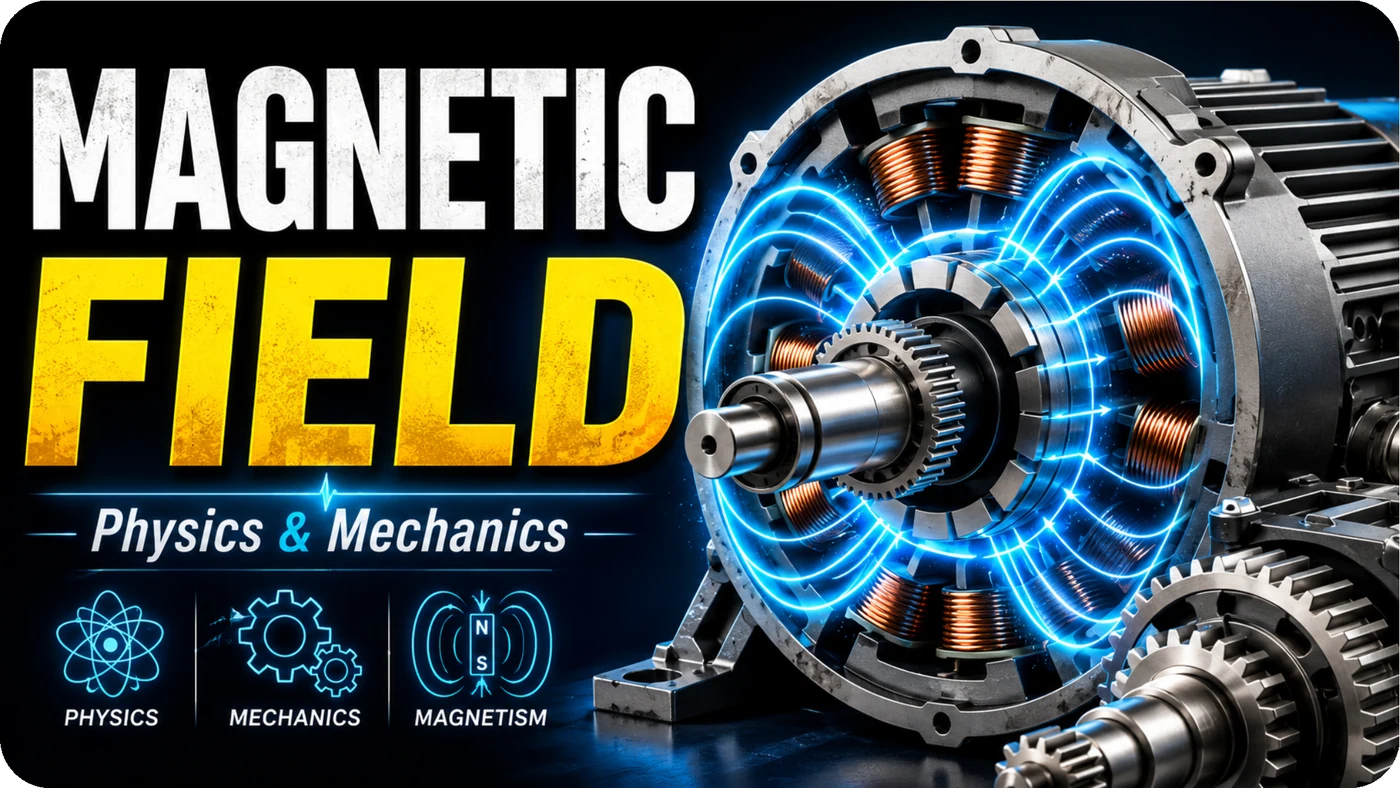
Electricity gets the applause. Magnetism does the turning.

When we hear the word electricity, what do we picture? Perhaps a spark jumping from a doorknob, a flash of lightning, a glowing bulb, a battery, or an unpleasant shock. Electricity is dramatic. It flashes, crackles, glows, and occasionally bites, so naturally it attracts our attention. Magnetism is much quieter. A magnetic field does not glow or make a sound, and we cannot watch it moving through space. Yet it can pull, push, lift, twist, and turn. Inside an electric motor, electricity supplies the energy, but magnetic fields produce the turning force.

Essay details

The Electron Vacuum Cleaner Behind the Receptacle

Most of us know the names before we know the story: Hot, Neutral, Ground. But behind those three familiar words is a small drama about paths—the path electricity is meant to take, the path it takes back, and the emergency path meant to keep it from taking you. Hot sounds dangerous, Neutral sounds peaceful, and Ground sounds as if the earth itself has joined the safety committee. But wires do not have personalities. They have jobs. The receptacle does not make electricity harmless. It makes electricity behave by giving it better paths than us.

Essay details

NVA - Neural Vector Architecture and the Case for Analog-Conceptual Computing

Artificial Intelligence is racing ahead with breathtaking force, but it is running into a wall that cannot be negotiated away by enthusiasm, venture capital, or another round of faster chips. The wall is physical. The answer is not to abandon digital computing. The answer is to move beyond digital monopoly. NVA — Neural Vector Architecture — is a proposed step toward that future. It asks whether intelligence itself can be represented in a more natural, continuous, and energy-frugal form. If artificial intelligence is to grow without consuming the physical world that supports it, it must learn from the world that already computes beautifully.

Essay details

Nodes, Networks, and Field Evolution as a Computational Medium

This work introduces a foundational architecture for an optical analog computing system in which computation emerges from the controlled evolution of electromagnetic fields. Departing from the discrete, state-based paradigm of digital computing, the proposed system operates on continuous optical fields whose amplitude, phase, wavelength, and spatial structure collectively encode information. The architecture is built around a fundamental primitive— the Node— a heterogeneously integrated resonant photonic cell in which multiple weighted optical inputs interact within a shared nonlinear cavity.

Essay details

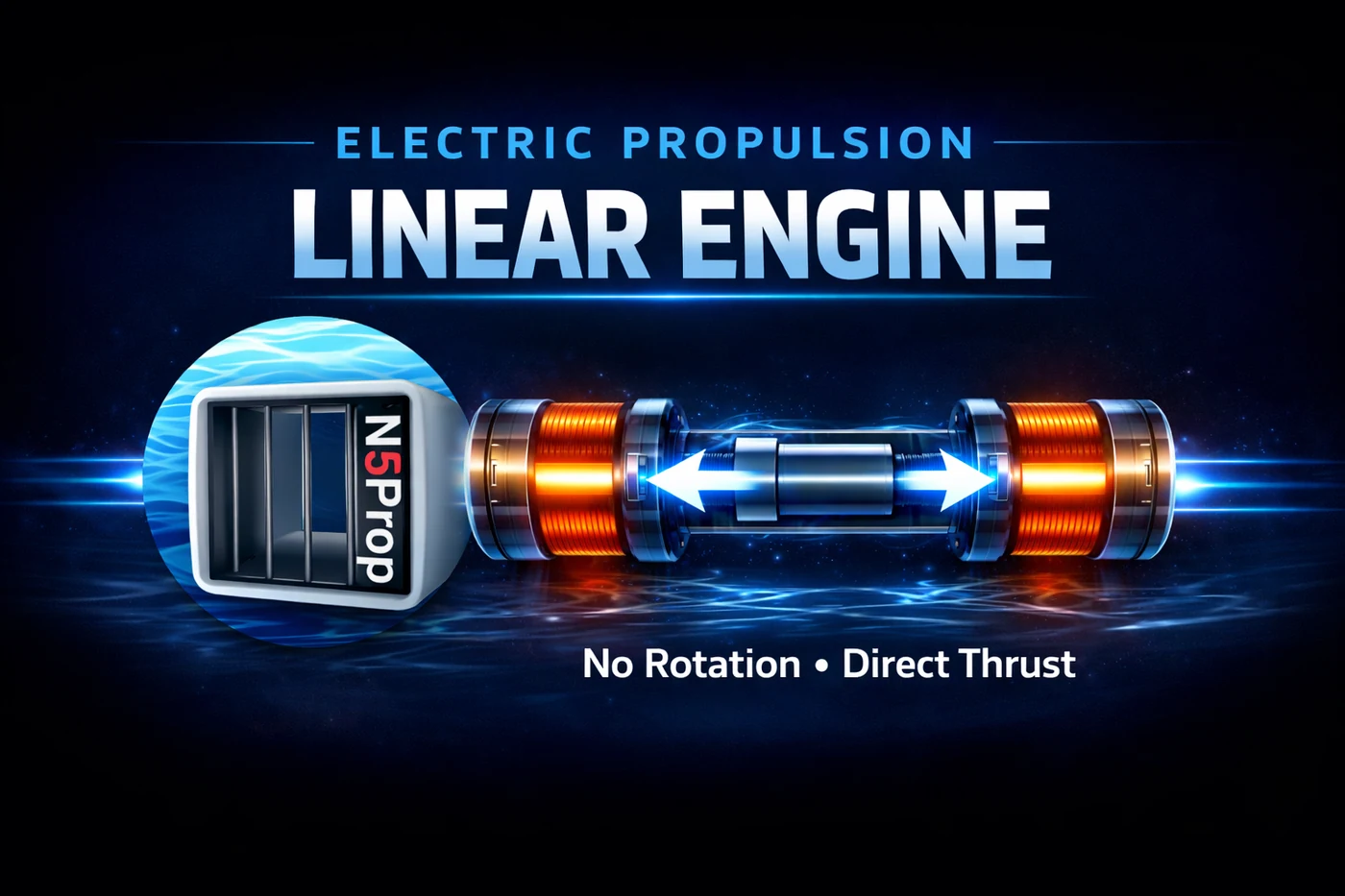
Rotary Conversion vs. Direct Linear Electromagnetic Actuation

The concept of Phase-Structured Marine Propulsion, developed in the companion paper, departs from one of the deepest assumptions in marine engineering: that propulsion should be understood primarily as continuous rotational forcing applied to water through a propeller. In its place, the earlier paper proposed a different interpretive framework, one in which propulsion is viewed as a structured interaction between machine motion and the surrounding fluid across multiple operating phases. Under this view, thrust generation is not a single homogeneous event.

Essay details

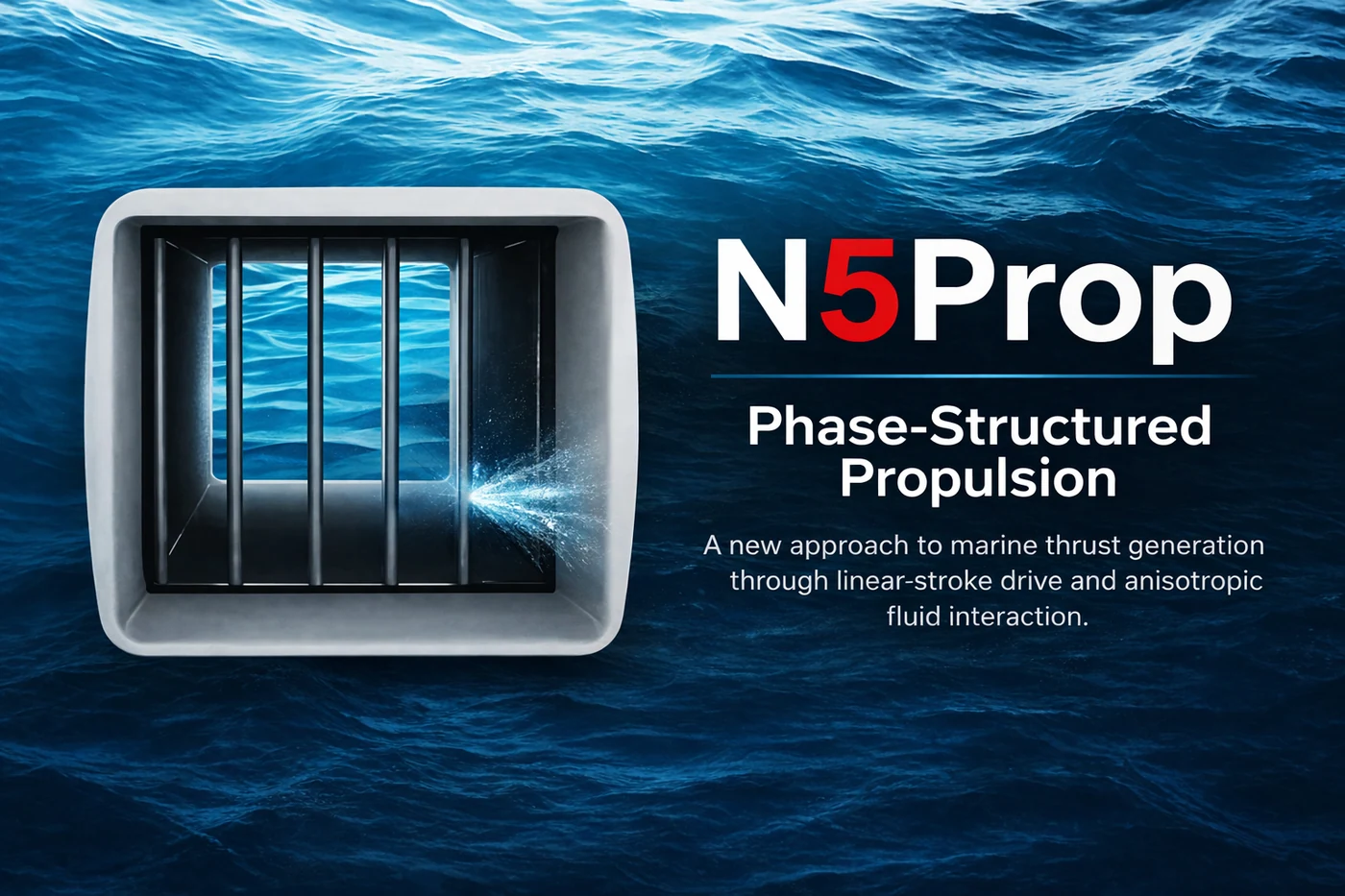
Linear-Stroke Electromagnetic Drive with Anisotropic Fluid Interaction for High-Efficiency UUV Systems

Modern warfare operates across four physical domains—land, air, outer space, and ocean—with increasing emphasis on autonomous systems. Undersea warfare, in particular, is undergoing rapid transformation as surface vessels become more vulnerable to aerial and underwater threats. This shift necessitates the development of highly maneuverable, energy-efficient, and stealth-capable Unmanned Underwater Vehicles (UUVs). This proposal introduces N5Prop, a propulsion system based on a linear-stroke electromagnetic engine coupled with an anisotropic propeller, designed specifically to meet the operational requirements outlined by the Office of Naval Research (ONR).

Essay details

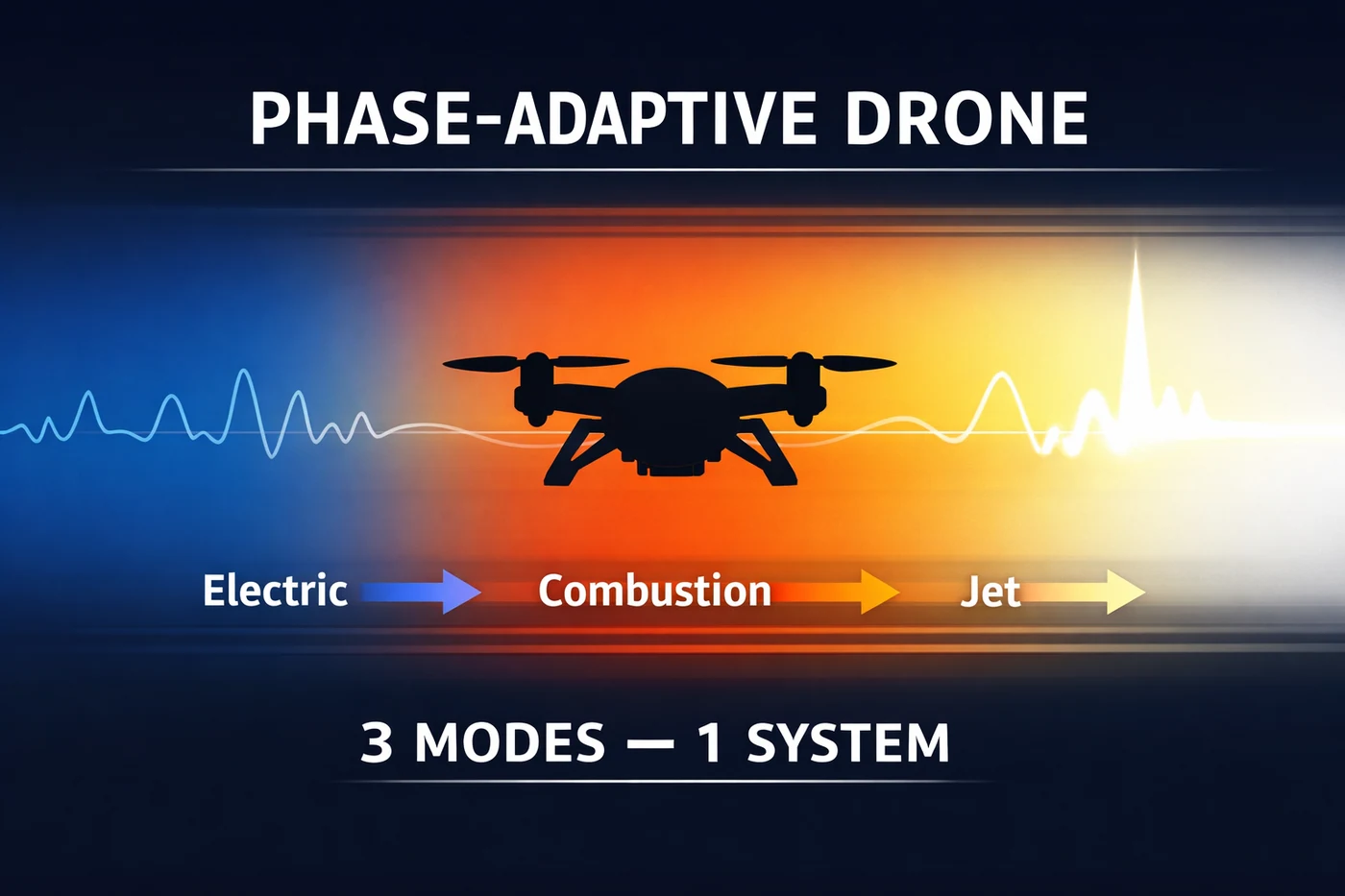
The Logic of Tri-Modal Propulsion in Small High-Agility Systems

This paper introduces the concept of a Phase-Adaptive Compact Drone: a small, high-agility flying system capable of operating under three distinct propulsion regimes—electric, combustion, and jet—and, more importantly, of transitioning among them in a disciplined way as mission demands change over time. The central claim of this proposal is that the next significant step in compact drone architecture may not lie in optimizing one propulsion system further, nor even in combining two systems in a conventional hybrid arrangement, but in developing a coherent logic for phase-aligned tri-modal propulsion.

Essay details

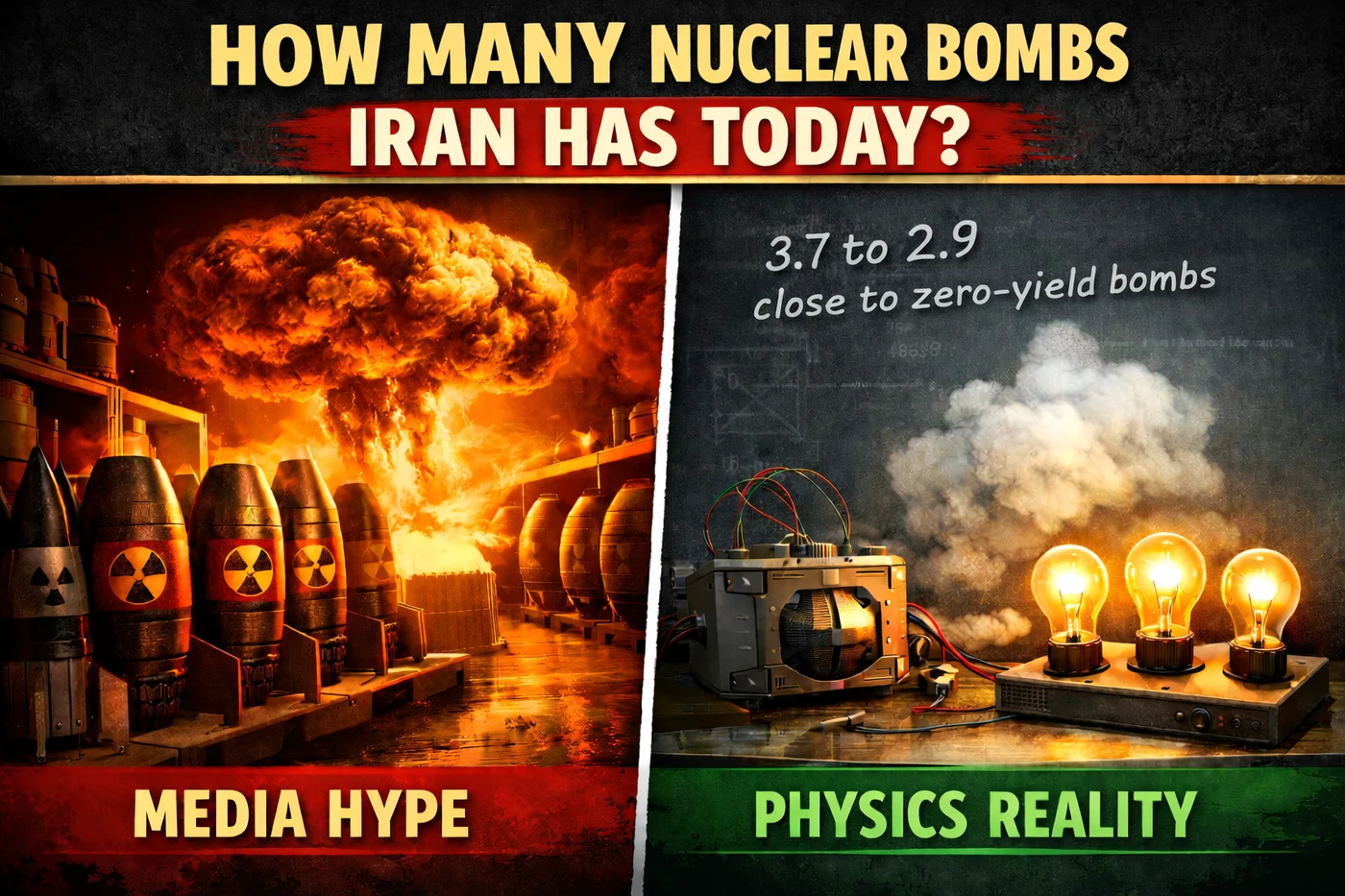
Physics, Engineering, and the Gap Between Reality and Headlines

Public discussion of Iran’s enriched uranium stockpile often blurs the boundary between nuclear physics, nuclear engineering, and media imagination. Headlines frequently suggest that enriched uranium automatically translates into an arsenal of ready nuclear weapons or easily constructed “dirty bombs.” Neither claim reflects technical reality. Highly enriched uranium (HEU), even when enriched to 60% U235, does not by itself constitute a nuclear weapon, nor is it suitable material for radiological dispersal devices.

Essay details

Why the Borders Between Sciences and Technologies Matter More Than the Centers

Over the years, I have noticed this in discussions with a close friend—an accomplished physician with decades of clinical experience and a professional life shaped by responsibility, judgment, and care. When our conversations remain within medicine, they are precise and deeply informed. But when they drift outward—toward physics, engineering, or broader questions about how complex systems behave—the exchange gently contracts. Not with irritation or rejection, but with a quiet sense that we have reached a line that should not be crossed.

Essay details
About this collection & how to use it

This collection contains 352 selected essays, research papers, proposals, and supporting documents—with or without podcasts. Introductions draw closely from the PDFs’ preambles, executive summaries, openings, and conclusions. Passages may be shortened and joined; they are close adaptations, not necessarily continuous quotations. They express the source authors’ positions, not independent verification of every claim. Contributed material is attributed separately where identifiable.

Search words in titles, summaries, topics, authors, and podcast titles. Turn on Search inside PDFs to include extractable document text. All search words must appear somewhere in a record or its PDF; use quotation marks for a phrase. A PDF result shows the first relevant file page. Text embedded in images or affected by extraction defects may not be searchable.

Dates are separate: “By Date” sorts by the original PDF file’s last modification, latest first—not its upload or copy date. “By Name” sorts A–Z. “Essay” is a document date where reliably identifiable; “Podcast” is the YouTube publication date. Missing dates are marked “Not stated” and never inferred from the recording. Year-only or month-only dates retain that precision. Newest sorts place undated items last.

304 entries have matched podcasts, representing 280 distinct recordings. A recording may discuss more than one source. 46 entries are essay-only; 2 more remain available with uncertain primary podcast links withheld. Linked podcasts stay on YouTube. PDFs here are unchanged copies, not live links to Dropbox. Retained companion papers and alternate editions remain separate.

Research concepts and proposed medical or financial methods are presented for reading and discussion, not as established treatments or individualized professional advice. A proposal’s presence here does not imply clinical validation, regulatory approval, or an investment recommendation.

Readers can browse freely. Only the signed-in author can exclude or restore essays, assign them to one or more categories, or add categories. Category counts may overlap; the overall total counts each essay once. Confirmed changes are saved in the site database; the original source inventory and PDFs remain unchanged. The PDF reader’s return bar restores your previous view. Search filters remain in the address bar. Copyright and authorship remain with the respective rights holders.

Visit statistics: This Catalog counts page views, PDF reader opens, download clicks, and YouTube link clicks for the author. It uses a temporary, random browser-tab token, not tracking cookies, and stores no names, email addresses, IP addresses, search terms, or individual browsing histories. Duplicate-prevention tokens expire after 48 hours and are removed as new events arrive. Daily totals are retained. Do Not Track and Global Privacy Control signals are respected. YouTube has its own privacy practices.

Privacy & visit counting · Download catalog (CSV) · Download catalog (JSON)

Back