A Universe of QuestionsLEV NEYMOTIN · ESSAY & PODCAST LIBRARY
Browse categories & essays

EXPLORE A SUBJECT

Culture

Arts, Music, Dancing

6essays in this subject

Enter a number (123 or #123), a topic, or “quotes” for a phrase. Numbers identify essays; use the year filter for dates.

Topics & reading length

Essays in this subject

6 of 6 essays · 1–6 shown

By Date uses the original PDF’s last-modified date. Publication dates are listed separately.

Kopylenko, Combinability, and the Prehistory of Language AI

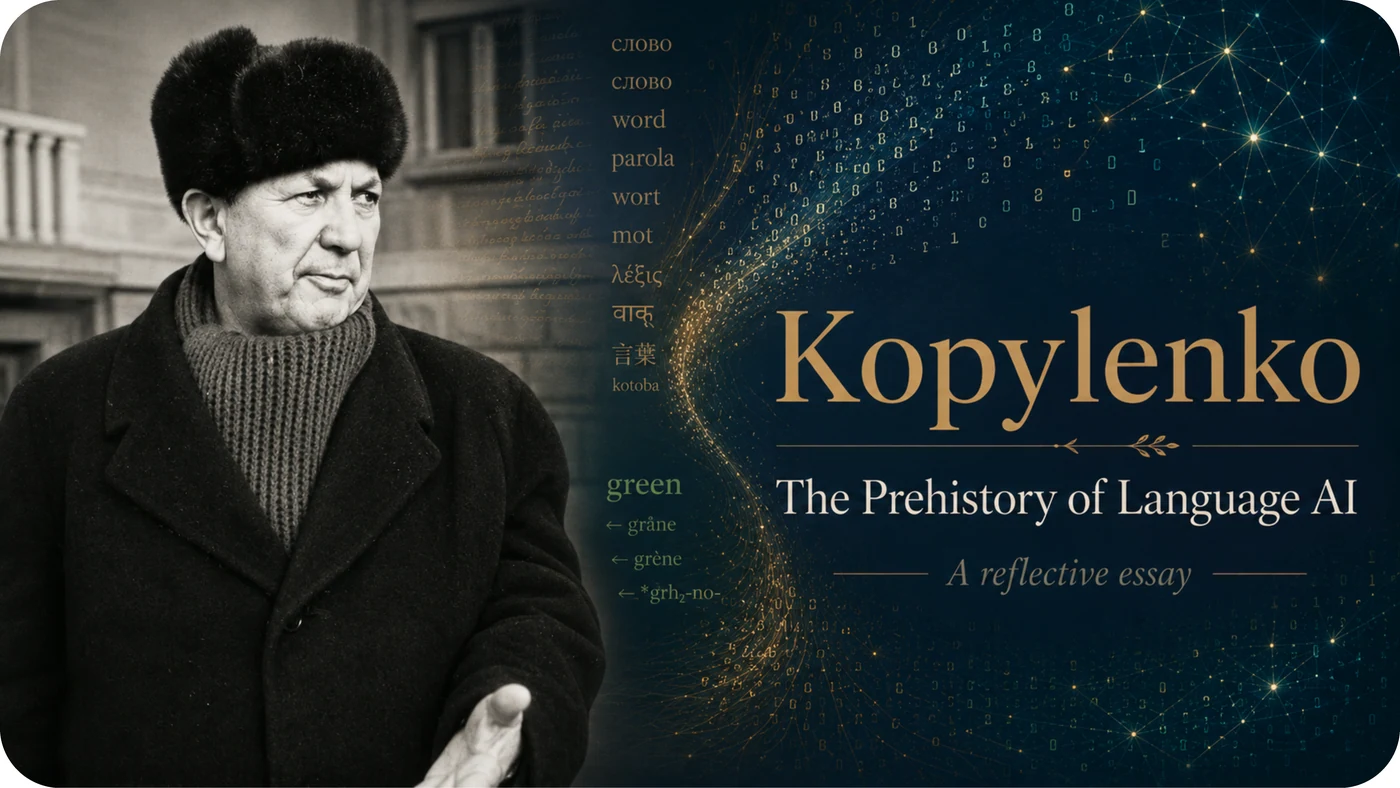
There are conversations that begin almost accidentally and then, without warning, open a door into a much larger room. This one began on the way to Penn Station, after a visit to the Raphael exhibition at the Metropolitan Museum. I was walking with Professor Kopylenko’s daughter, an old friend. She gave me a simple example: take the word green. It is not the story of one man secretly inventing AI before AI existed. It is the story of a great linguist revealing one of the patterns that would later become indispensable to the age of language machines.

Essay details
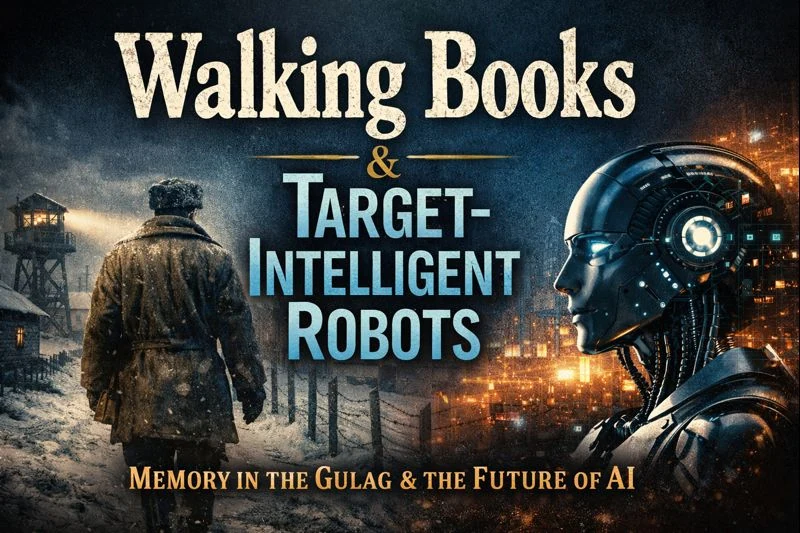
My mind does this repeatedly: it moves forward into the future–and then, almost against my will, turns back toward literature. I am back in the Soviet Union. I am young, reading with my friends, encountering literature that was never merely literature. It was oxygen. It was a way to remain a person inside a system meticulously designed to produce obedience rather than thought. Solzhenitsyn was one of those writers. I read him avidly – not because he was comforting (he was not), but because he was real in a world structured around managed unreality.

Essay details

Correlating Philosophy, Science, and Literature in the Evolution of Civilization

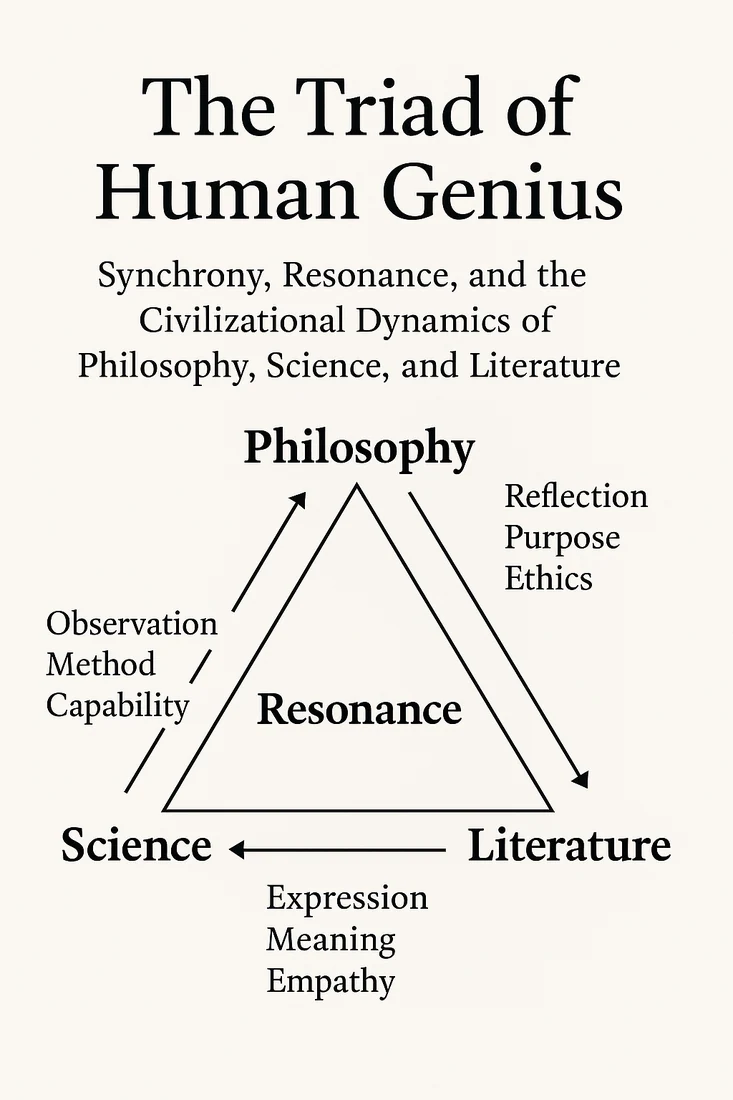
Human history can be read as the dialogue of three faculties: to reason, to discover, and to imagine. Philosophy defines meaning and orientation; science provides verification and control; literature preserves empathy and memory. Civilization flourishes only when they move together—when inquiry, invention, and expression merge into a shared language of understanding. The polymaths who bridged disciplines—Aristotle, Descartes, Pascal, Goethe, Shelley, Darwin, Einstein—appear when the triad momentarily converges inside a single mind. Science expands what we can do; philosophy defines what we ought to do; literature reminds us why we care.

Essay details
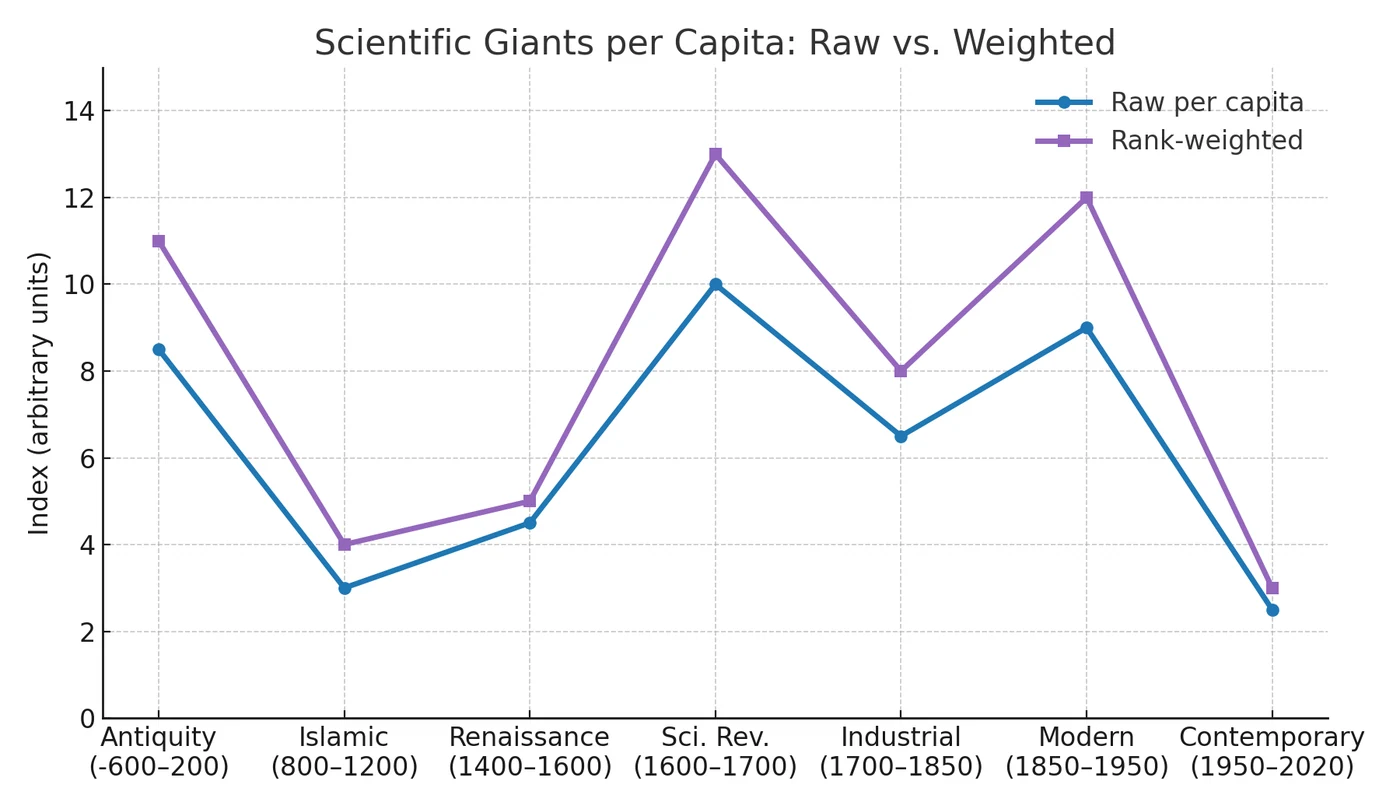
Comparison chart accompanying Scientific Giants: Discovery and ReasonSource figure

A Historical Analysis of Humanity’s Pursuit of Knowledge and the Physical Truths of the Universe

Science is the most cumulative and pragmatic manifestation of human curiosity. It transforms the unknown into understanding and understanding into the material basis of civilization. By comparing scientific density per capita and rank-weighted influence, we discover that the greatest minds—Newton, Einstein, Darwin, Galileo, Archimedes—occur with startling rarity, yet their discoveries remain timeless. The greatest danger today is complacency—believing that incremental improvements in technology equal the kind of conceptual revolutions once brought by Newton or Einstein. Our species advances only when individuals challenge assumptions, when curiosity meets courage.

Essay details
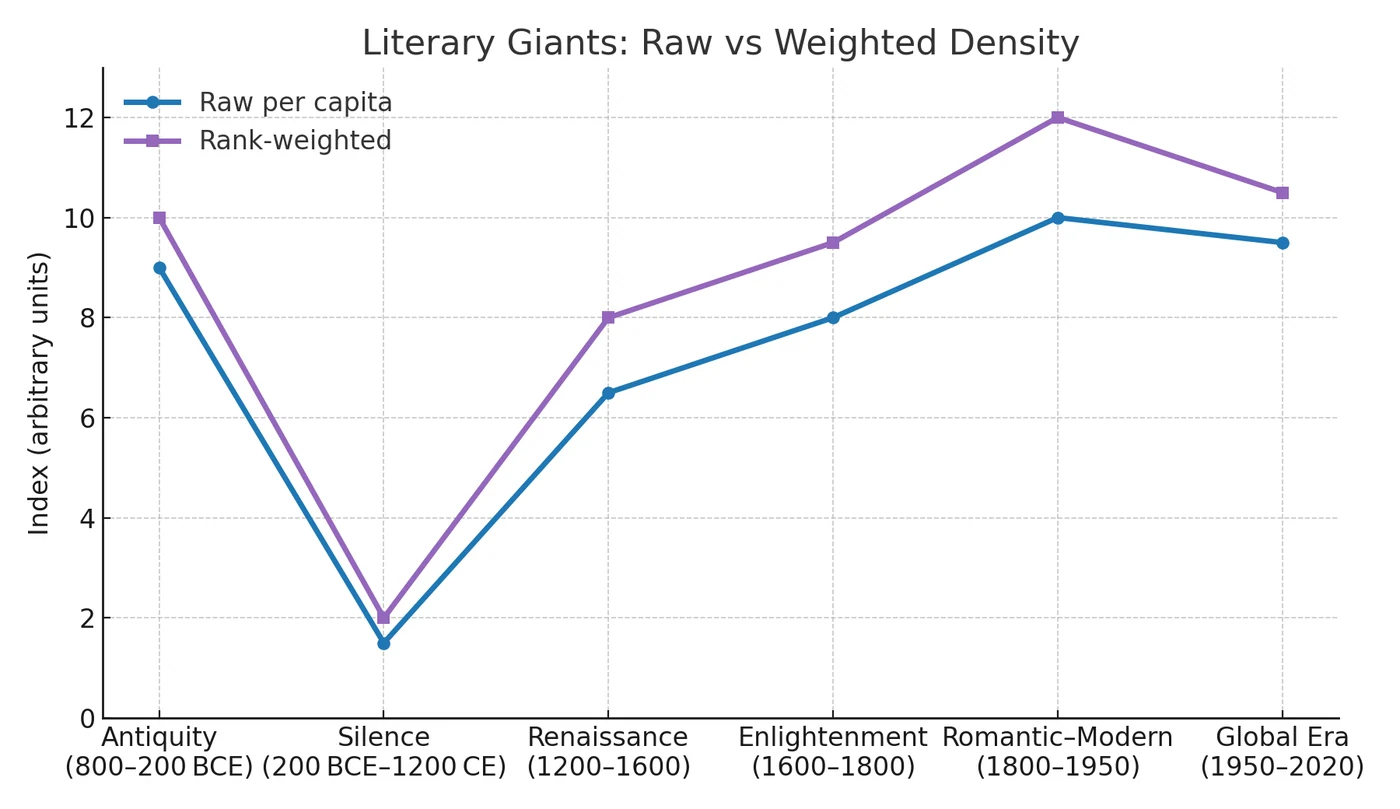
Comparison chart accompanying Literary Giants: Fiction and PoetrySource figure

A Historical Analysis of Human Creative Expression

Literature, more than any other discipline, defines what it means to be human. It is civilization’s mirror and memory, carrying forward the collective interior life of the species. From Homer and Valmiki to Márquez and Morrison, the literary imagination evolves as both witness and architect of consciousness. While philosophy articulates thought and science measures reality, literature renders meaning. Its heroes are not merely intellectual innovators but guardians of empathy. Today, in the digital age, billions can write—yet the challenge remains identical to Homer’s: to speak in a voice that endures.

Essay details
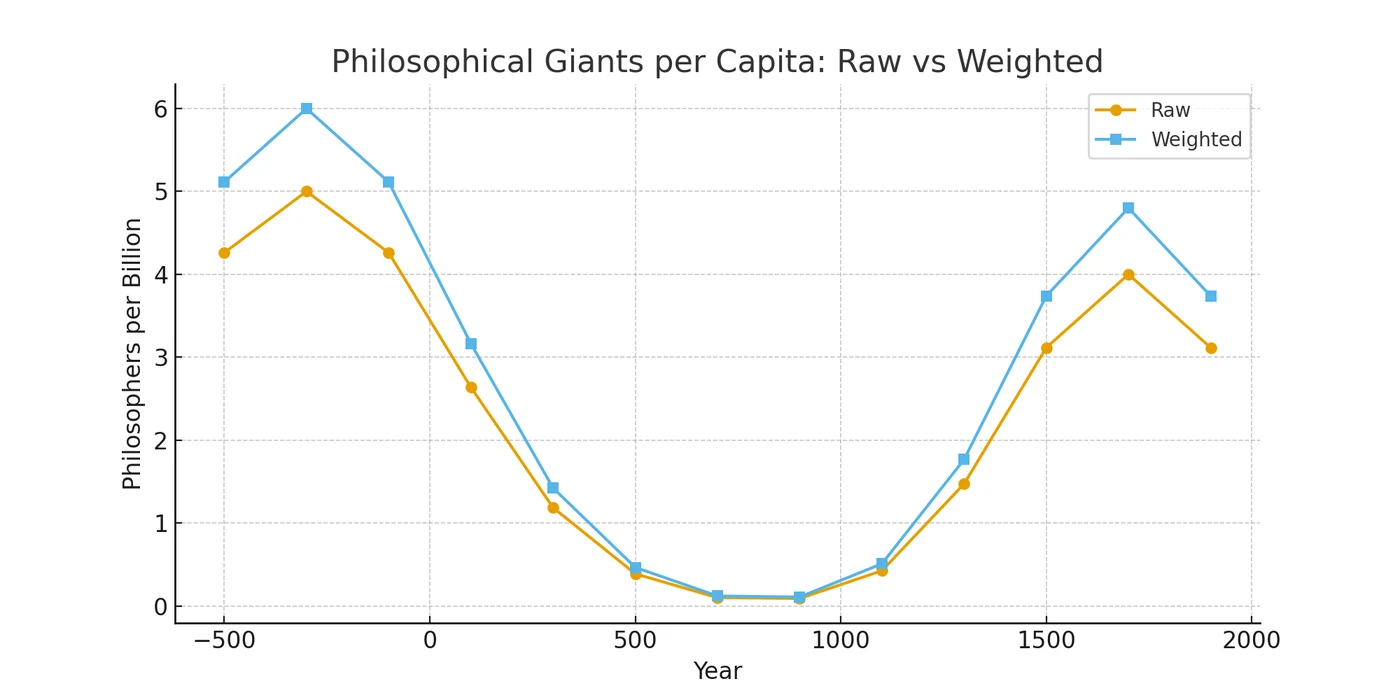
Comparison chart accompanying Philosophical Giants Per CapitaSource figure

Civilization, Density, and Continuity

Human beings are not only biological creatures but also cultural and intellectual ones. Across millennia, a select group of thinkers—philosophers in the broadest sense—defined what it means to be human. Using a curated list of 100 philosophers spanning Antiquity to the 21st century, and weighting them by both intellectual brilliance and historical impact, we constructed a timeline of philosophical density across world history. Some of these thinkers enlightened, while others misled. Some expanded freedom, others justified oppression. Yet taken together, they formed the mind of humanity. In rare moments, small populations produced ideas that reshaped civilizations.

Essay details
About this collection & how to use it

This collection contains 352 selected essays, research papers, proposals, and supporting documents—with or without podcasts. Introductions draw closely from the PDFs’ preambles, executive summaries, openings, and conclusions. Passages may be shortened and joined; they are close adaptations, not necessarily continuous quotations. They express the source authors’ positions, not independent verification of every claim. Contributed material is attributed separately where identifiable.

Search words in titles, summaries, topics, authors, and podcast titles. Turn on Search inside PDFs to include extractable document text. All search words must appear somewhere in a record or its PDF; use quotation marks for a phrase. A PDF result shows the first relevant file page. Text embedded in images or affected by extraction defects may not be searchable.

Dates are separate: “By Date” sorts by the original PDF file’s last modification, latest first—not its upload or copy date. “By Name” sorts A–Z. “Essay” is a document date where reliably identifiable; “Podcast” is the YouTube publication date. Missing dates are marked “Not stated” and never inferred from the recording. Year-only or month-only dates retain that precision. Newest sorts place undated items last.

304 entries have matched podcasts, representing 280 distinct recordings. A recording may discuss more than one source. 46 entries are essay-only; 2 more remain available with uncertain primary podcast links withheld. Linked podcasts stay on YouTube. PDFs here are unchanged copies, not live links to Dropbox. Retained companion papers and alternate editions remain separate.

Research concepts and proposed medical or financial methods are presented for reading and discussion, not as established treatments or individualized professional advice. A proposal’s presence here does not imply clinical validation, regulatory approval, or an investment recommendation.

Readers can browse freely. Only the signed-in author can exclude or restore essays, assign them to one or more categories, or add categories. Category counts may overlap; the overall total counts each essay once. Confirmed changes are saved in the site database; the original source inventory and PDFs remain unchanged. The PDF reader’s return bar restores your previous view. Search filters remain in the address bar. Copyright and authorship remain with the respective rights holders.

Visit statistics: This Catalog counts page views, PDF reader opens, download clicks, and YouTube link clicks for the author. It uses a temporary, random browser-tab token, not tracking cookies, and stores no names, email addresses, IP addresses, search terms, or individual browsing histories. Duplicate-prevention tokens expire after 48 hours and are removed as new events arrive. Daily totals are retained. Do Not Track and Global Privacy Control signals are respected. YouTube has its own privacy practices.

Privacy & visit counting · Download catalog (CSV) · Download catalog (JSON)

Back