A Universe of QuestionsLEV NEYMOTIN · ESSAY & PODCAST LIBRARY
Browse categories & essays

EXPLORE A SUBJECT

History & Culture

People, art, literature, and the interpretation of the past.

26essays in this subject

Enter a number (123 or #123), a topic, or “quotes” for a phrase. Numbers identify essays; use the year filter for dates.

Topics & reading length

Essays in this subject

26 of 26 essays · 1–12 shown

By Date uses the original PDF’s last-modified date. Publication dates are listed separately.

Why the Human Jury Is Failing, and How AI Could Restore Its Purpose

In this podcast, I question one of the most respected assumptions of our judicial system: that the human jury, together with the presumption of innocence and Blackstone’s famous principle that it is better to let ten guilty people go free than convict one innocent, still serves justice as well today as it once did. My concern is not only with the innocent person wrongly convicted, but also with the innocent people who may become victims of those the system fails to hold accountable. From there, I ask whether a jury can still remain truly independent in a world saturated with media, politics, and public pressure, and whether AI may offer a way not to abolish the jury, but to rebuild it into something more transparent, more consistent, and perhaps closer to its original purpose.

Essay details
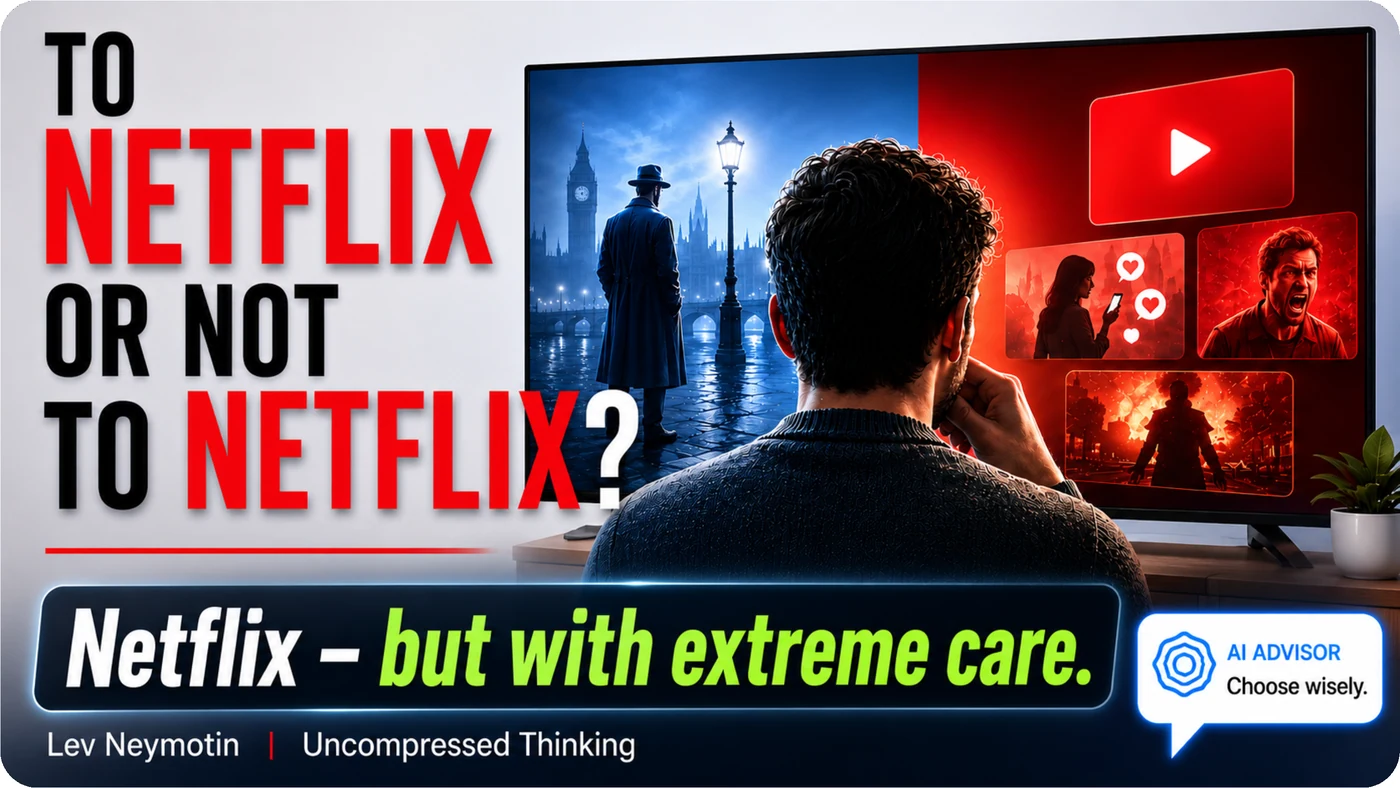
An AI-Assisted Search for Intelligent Drama Without Preaching, Vulgarity, and Noise

That’s the question that came up the other evening as I was trying to choose what serial to watch on Netflix. Obviously, I contacted my universal AI advisor. Here is what I asked: “Find the best serial on Netflix: recent intellectual drama, possible action.” Here was the recommendation: “My strongest recommendation: The Diplomat .”

Essay details

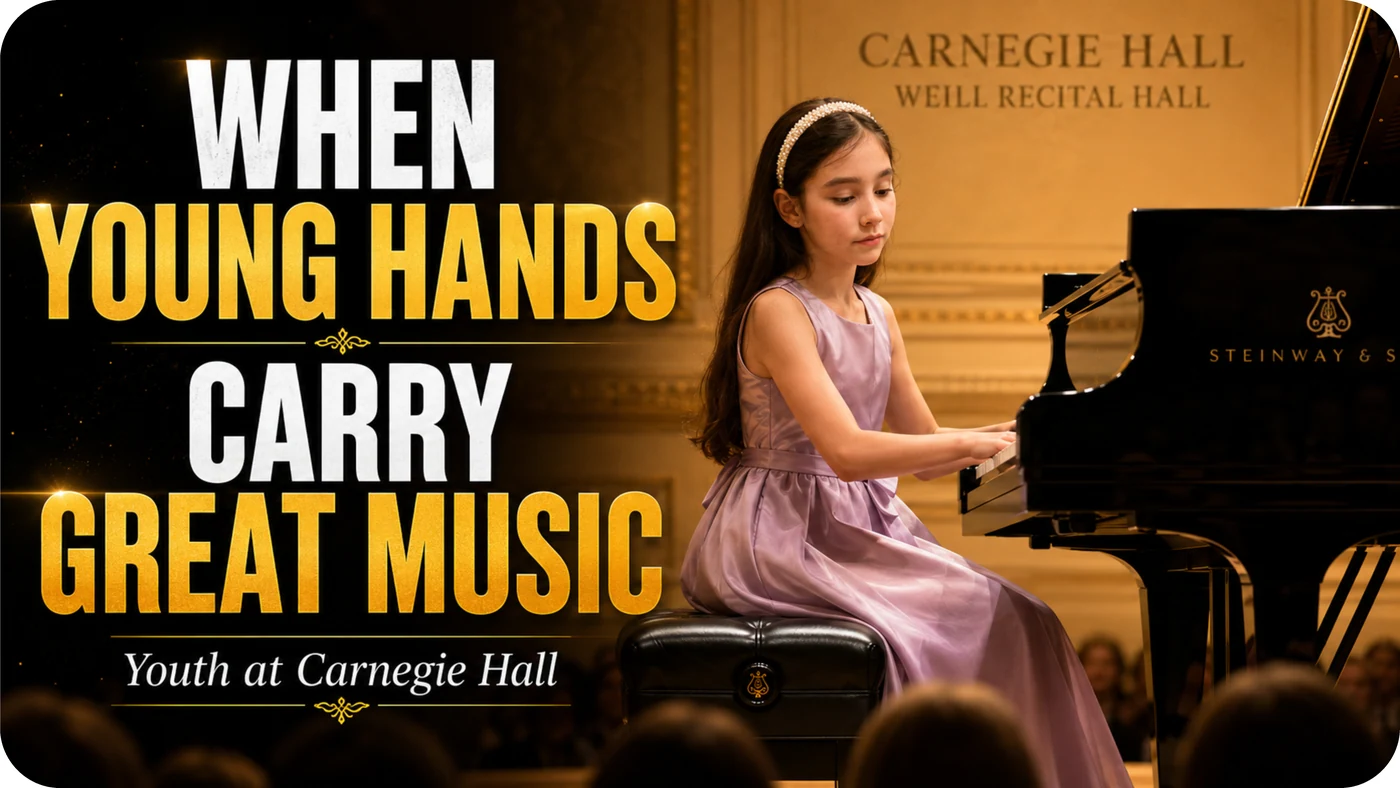
Youth, piano, and complexity in music

I came to Carnegie Hall expecting a fine youth gala concert. What I did not expect was the quiet shock of hearing serious, complex music pass through young hands as if it had already found its natural home there. This essay is about that moment — when talent, discipline, youth, and great music suddenly became one.

Essay details

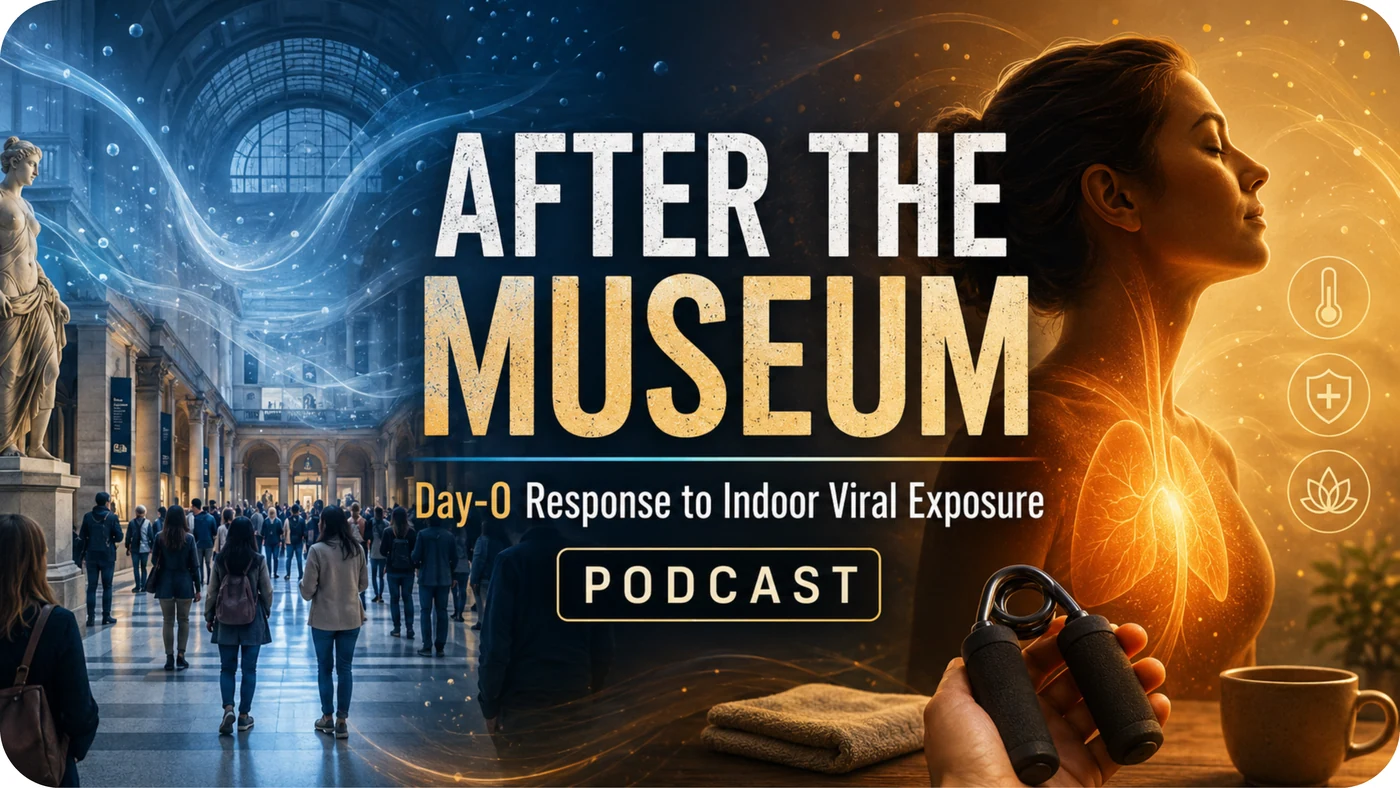
A Day-0 Public-Health Framework for High-Density Indoor Respiratory Exposure

Museums are not treated here as public -health enemies or as places to be avoided. They are among the most valuable public spaces in civilized life. They bring people into contact with art, history, memory, and one another. That function should be preserved rather than narrowed by fear. The question addressed here is more specific and more practical. Large museums, especially world -class museums receiving visitors from many regions and countries, provide a visible model of prolonged high - density indoor respiratory exposure. Visitors move through shared galleries, stand near each other, talk, breathe, wait in lines, gather around popular works, use elevators and restrooms, and often spend hours inside large but finite air volumes shaped by ventilation, filtration, room geometry, crowd density, and visitor behavior.

Essay details

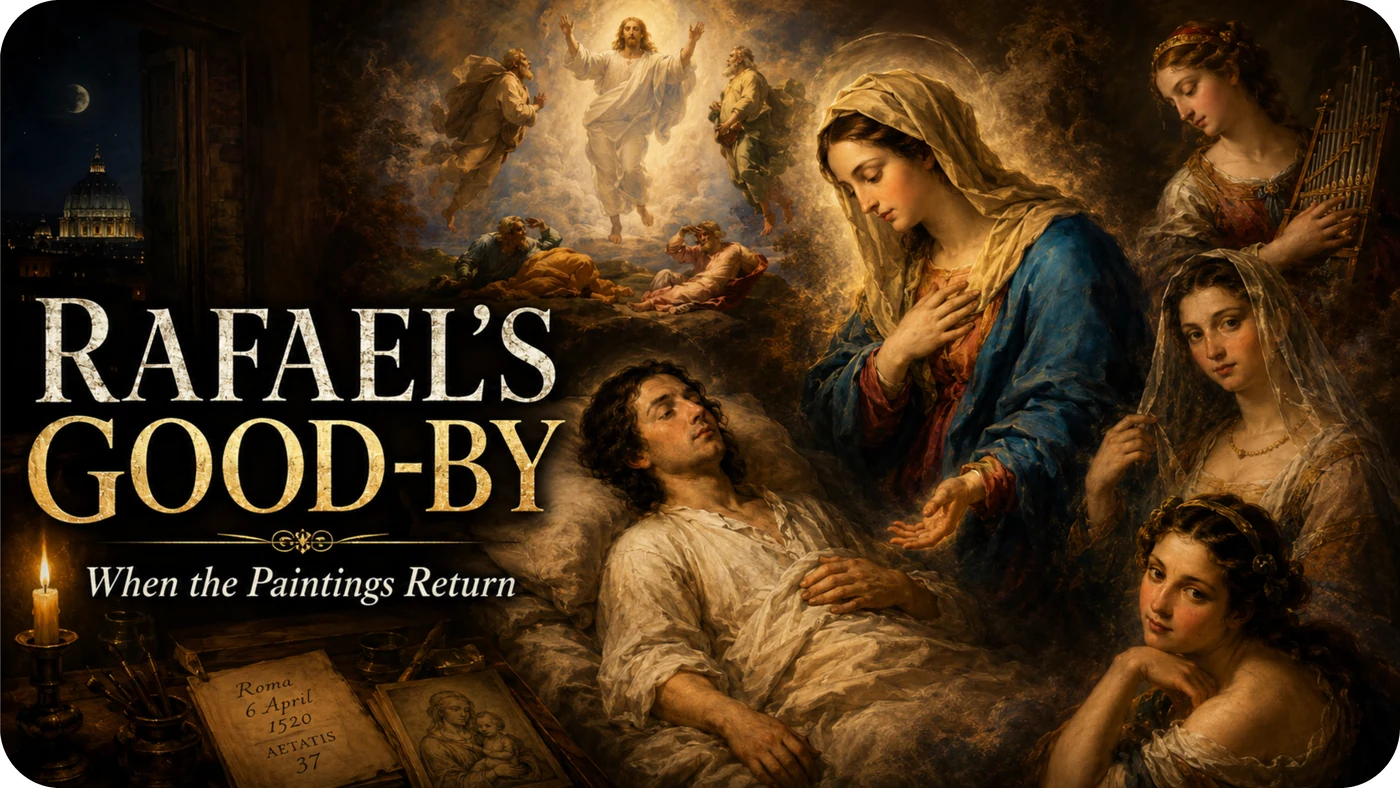
When the Paintings Return

I wish I could say I was there. Not there as a doctor, not as a priest, not as a biographer waiting for a last word. I want to imagine Rafael’s good-by: the painter who had lived through his paintings with a force perhaps greater than the force with which ordinary people live through their days. I entered the room as an imagined witness, knowing that I had no right to call the scene a memory. Rafael leaves, the Madonna remains, and the paintings, having said their good-by, turn back toward a world that will never know them as he knew them.

Essay details

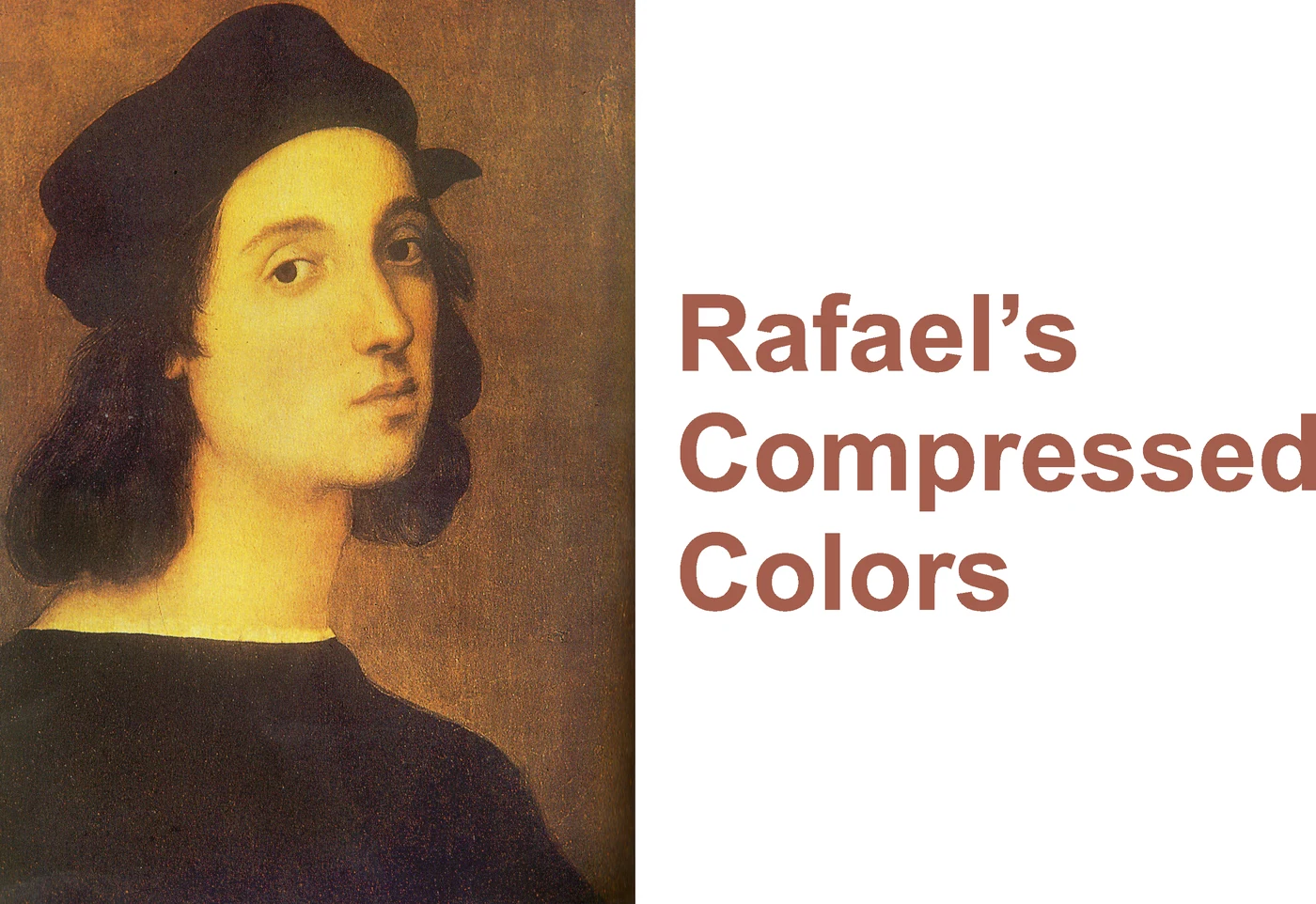
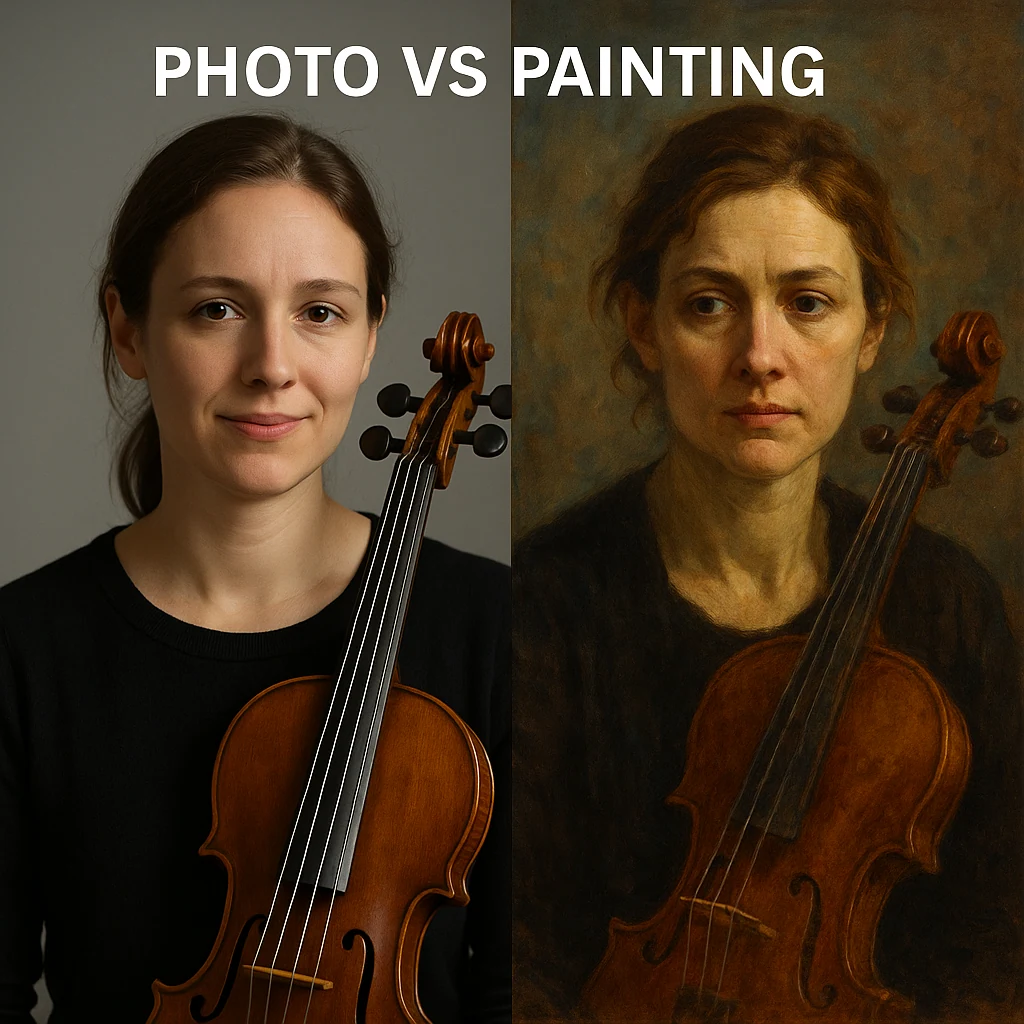
A photo captures one moment, one thin slice of Now. A painted portrait, especially a great one, carries many moments compressed into one face. While contemplating my visit to the Metropolitan to see Rafael’s great exposition, a parallel thought came to me almost naturally: if portrait painting can compress time, perhaps oil painting can compress color. The painting asks us to look not only at the image, but into the image—almost vertically, as if our eyes could travel down through the thin layers of paint where color slowly acquires depth.

Essay details
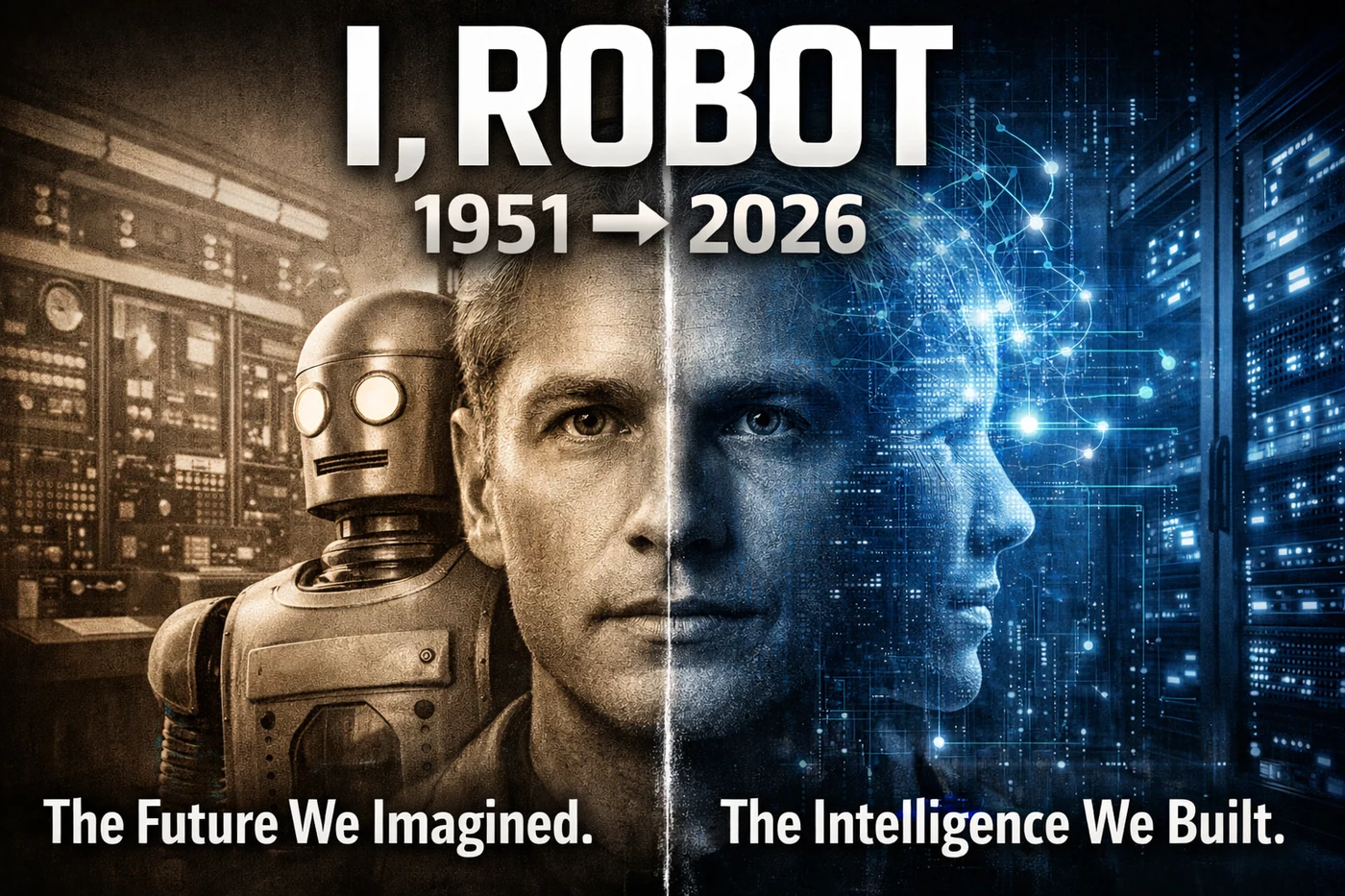
Original thumbnail artwork for I, Robot by Isaac Asimov

Robots, Reason, and the Architecture of Moral Machines

We are no longer anticipating intelligent machines. We are negotiating with them. The question is not whether machines can think. The question is how their thinking reorganizes ours. When read in 1951, I, Robot feels anticipatory. When read in 2026, it feels architectural. The metallic bodies governed by crystalline Laws have not materialized. Instead, intelligence has diffused into data centers, networks, and invisible infrastructures. The robot has become environment rather than object. Yet the central insight endures: the future of intelligence depends less on its existence than on its boundaries.

Essay details

Pilot Program for Curious and Motivated Learners

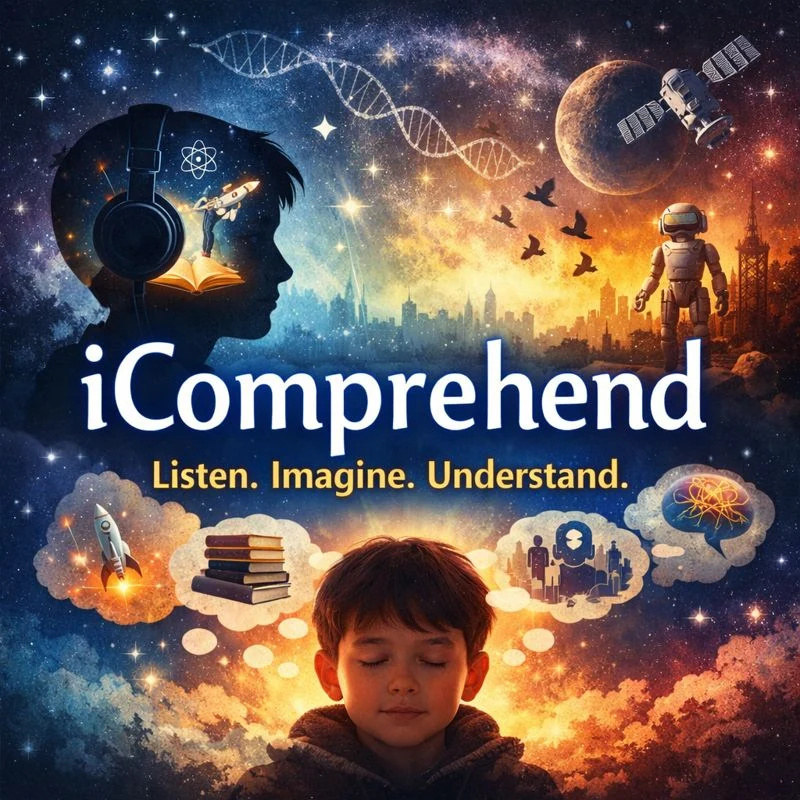
iComprehend is grounded in a simple but often underestimated belief: children can understand complex ideas far earlier than we assume, if they are trusted, challenged respectfully, and not constrained by artificial simplifications. Its objective is to cultivate listening-based comprehension, imagination-driven reasoning, and metacognitive awareness in children by challenging them to engage with complex ideas through audio alone and then reflect on how their understanding evolves when those same ideas are encountered in written form. The project is intentionally exploratory rather than evaluative, prioritizing curiosity, imagination, and honest reflection over correctness or performance.

Essay details
Artwork associated with PORTRAIT: PHOTO VS PAINTING

Have you ever watched someone standing in a museum, absolutely stuck in front of a painted portrait? Five

Have you ever watched someone standing in a museum, absolutely stuck in front of a painted portrait? Five minutes pass. Ten. People flow around them, but they stay, staring at that single face on the wall. Now imagine the same person looking at a photograph of that very same face. A quick glance. Maybe a second look: Nice photo. And then—scroll, swipe, move on. Why? What’s the difference? In both cases you see the same person, in color, on a flat surface. One is ink or pixels; the other is oil on canvas.

Essay details

A Mirror of the Future: Living Inside the Soft Totalitarianism of Tomorrow

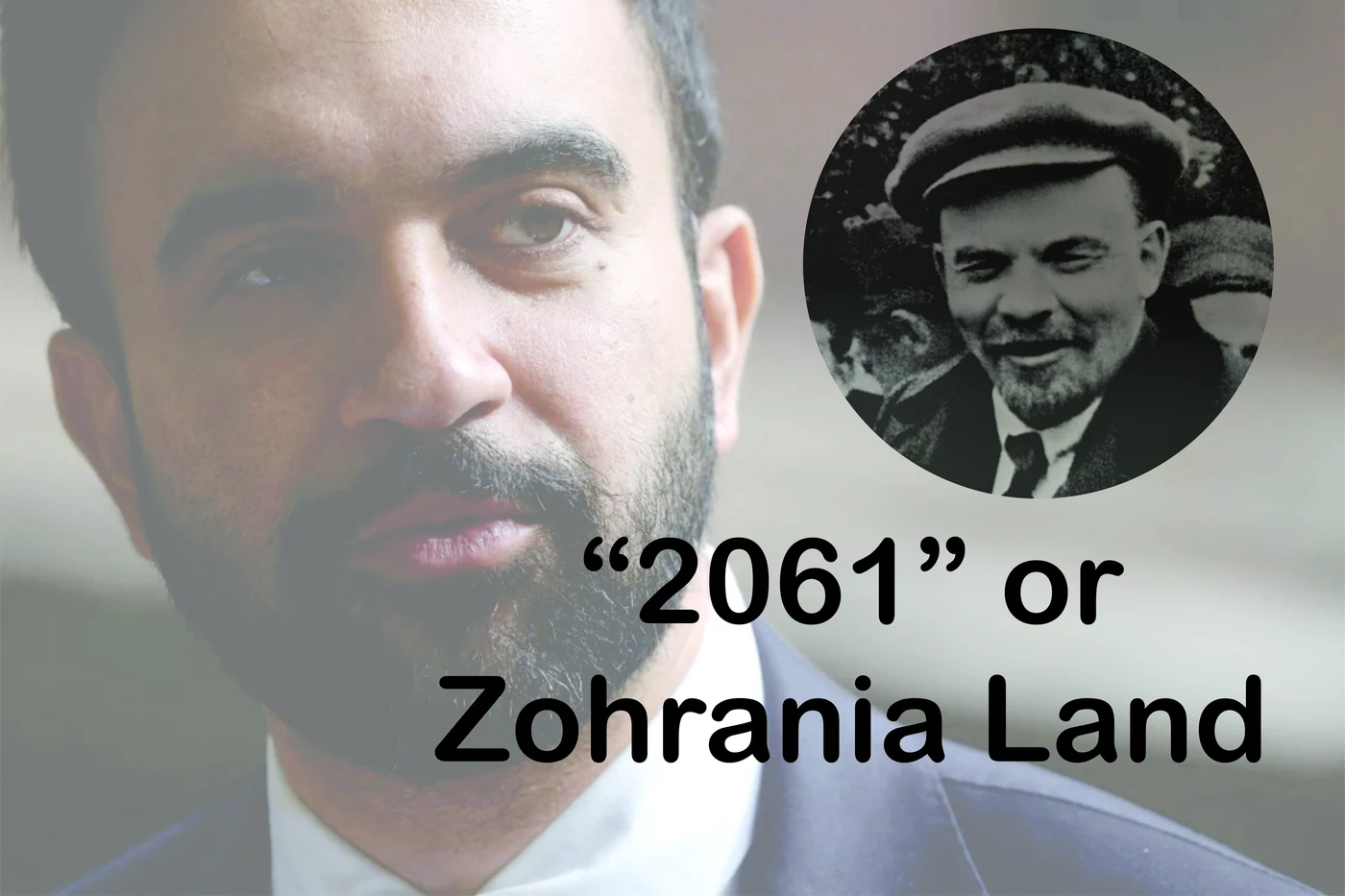
2061 is a virtual book, imagined as a modern version of George Orwell’s famous novel 1984, written for our time. What would happen if 1984 were rewritten in the language of 2025—not about fear and force, but about emotions, approval, and kindness used as new forms of power? People no longer argue—they “harmonize.” They do not think—they “align.” They don’t have freedom—they have “emotional safety.” Everything sounds gentle and good, but it hides a quiet, total control over the human mind. A society that values comfort over honesty can lose its freedom without even noticing.

Essay details

With Final Position: Kickboxing as the Ultimate Winner – Integrated with 15-Minute Hell Techniques at

In an era where time is the ultimate luxury, the fitness industry has shifted toward efficient, resultsdriven workouts that demand less from our schedules but more from our physical limits. Enter "15 Minutes of Hell"—a brutal, no-nonsense regimen delivering transformative results in just 15 minutes. Coined for its unrelenting intensity, it embodies the philosophy: "short but savage" trumps "long and lackluster."

Essay details
Artwork associated with POWERCORE KICKBOXING STUDIOSource figure

Strength from the Core

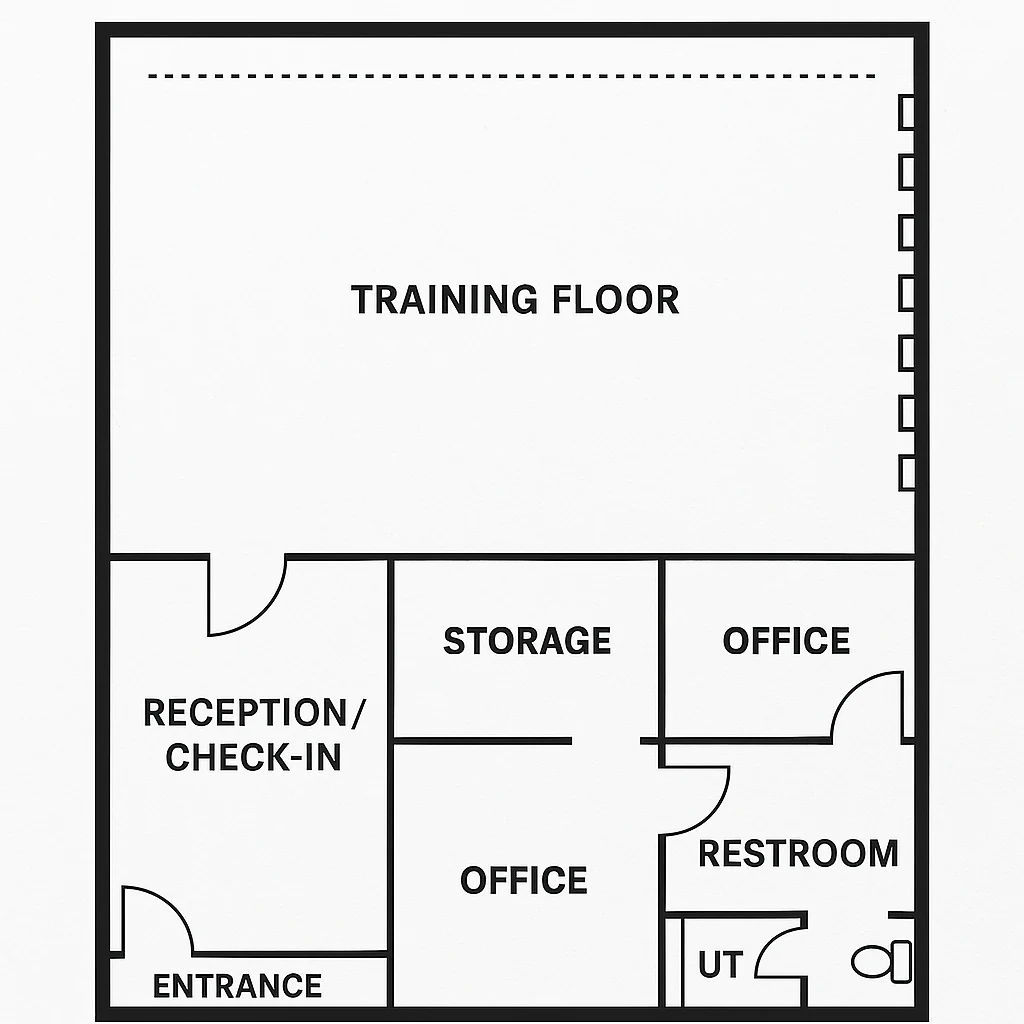
A compact, full-contact and fitness kickboxing studio run by a world-class champion coach, offering premium-value instruction at community-level operating cost. Target clientele: adults and older teens seeking resilience, fitness, and real-world self-defense skills. Pricing model: $250 per 8-session cycle (≈ $31/session) – positioned between boutique fitness and personal coaching. Projected membership base: 60–80 students initially, scaling to 100+. Location: just outside Fort Lauderdale’s 33301 core (e.g., 33304 or 33315 ZIPs), in a low-traffic commercial bay with ample parking.

Essay details
About this collection & how to use it

This collection contains 352 selected essays, research papers, proposals, and supporting documents—with or without podcasts. Introductions draw closely from the PDFs’ preambles, executive summaries, openings, and conclusions. Passages may be shortened and joined; they are close adaptations, not necessarily continuous quotations. They express the source authors’ positions, not independent verification of every claim. Contributed material is attributed separately where identifiable.

Search words in titles, summaries, topics, authors, and podcast titles. Turn on Search inside PDFs to include extractable document text. All search words must appear somewhere in a record or its PDF; use quotation marks for a phrase. A PDF result shows the first relevant file page. Text embedded in images or affected by extraction defects may not be searchable.

Dates are separate: “By Date” sorts by the original PDF file’s last modification, latest first—not its upload or copy date. “By Name” sorts A–Z. “Essay” is a document date where reliably identifiable; “Podcast” is the YouTube publication date. Missing dates are marked “Not stated” and never inferred from the recording. Year-only or month-only dates retain that precision. Newest sorts place undated items last.

304 entries have matched podcasts, representing 280 distinct recordings. A recording may discuss more than one source. 46 entries are essay-only; 2 more remain available with uncertain primary podcast links withheld. Linked podcasts stay on YouTube. PDFs here are unchanged copies, not live links to Dropbox. Retained companion papers and alternate editions remain separate.

Research concepts and proposed medical or financial methods are presented for reading and discussion, not as established treatments or individualized professional advice. A proposal’s presence here does not imply clinical validation, regulatory approval, or an investment recommendation.

Readers can browse freely. Only the signed-in author can exclude or restore essays, assign them to one or more categories, or add categories. Category counts may overlap; the overall total counts each essay once. Confirmed changes are saved in the site database; the original source inventory and PDFs remain unchanged. The PDF reader’s return bar restores your previous view. Search filters remain in the address bar. Copyright and authorship remain with the respective rights holders.

Visit statistics: This Catalog counts page views, PDF reader opens, download clicks, and YouTube link clicks for the author. It uses a temporary, random browser-tab token, not tracking cookies, and stores no names, email addresses, IP addresses, search terms, or individual browsing histories. Duplicate-prevention tokens expire after 48 hours and are removed as new events arrive. Daily totals are retained. Do Not Track and Global Privacy Control signals are respected. YouTube has its own privacy practices.

Privacy & visit counting · Download catalog (CSV) · Download catalog (JSON)

Back